
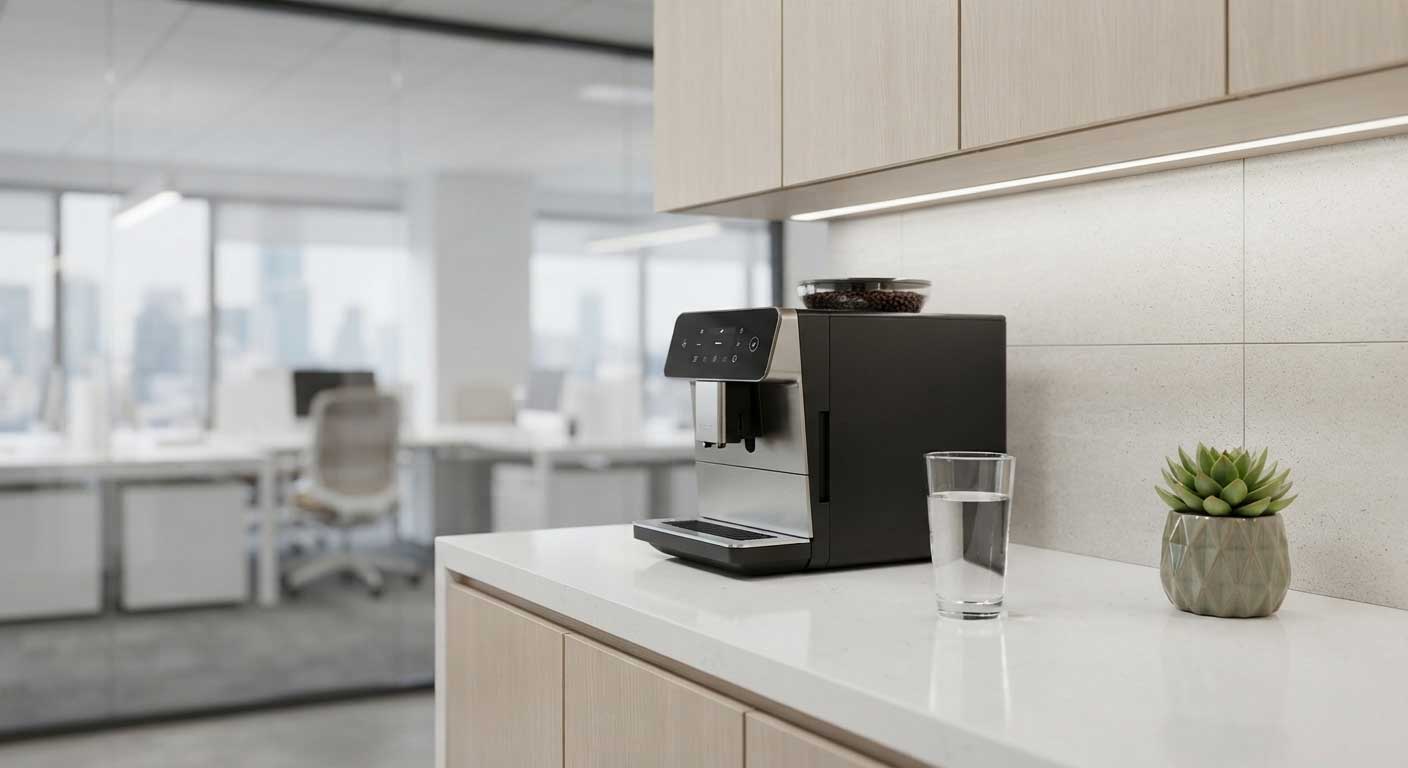
A clean, organized, and hygienic work environment is essential for both employee productivity and the company's professional image when partners or clients visit. However, behind the seemingly simple routine of regular cleaning lie several daily challenges faced by office administrators and facility managers alike.
Here is a breakdown of the primary office cleaning challenges and practical recommendations for addressing them effectively.
1. Key Challenges in Office Cleaning
Hybrid Work Models & Fluctuating Occupancy
Modern workplaces are flexible—fully staffed on some days and partially occupied on others. This complicates traditional cleaning schedules, as foot traffic and resource consumption vary continuously.
High-Traffic Zones & "Problem Hotspots"
Entrances, hallways, shared kitchens, and meeting rooms accumulate dirt much faster than individual workstations. High-touch surfaces (door handles, light switches, coffee machines, copiers) require special attention as primary hubs for bacteria and viruses.
Indoor Air Quality & Dust
In offices with high occupancy and active ventilation systems, dust and allergens build up rapidly. Postponing ventilation and air filter maintenance directly impacts staff well-being, leading to fatigue or respiratory irritation.
Workflow Disruptions
Cleaning performed at inappropriate times (e.g., during peak work hours) can disrupt employee concentration and create unnecessary noise.
2. Practical Recommendations & Best Practices
Implement these strategies to maintain a professional appearance and a healthy indoor microclimate:
- Dynamic Cleaning Schedules: Adjust cleaning frequency based on actual office usage. Schedule deep cleaning sessions on days following major conferences or peak attendance days.
- Prioritize High-Touch Surfaces: Ensure door handles, shared devices, and kitchen countertops are sanitized multiple times a day rather than just once at the end of a shift.
- Clear Rules for Common Areas: Promote good housekeeping habits in kitchens and breakrooms—such as placing dishes directly into the dishwasher and wiping down tables after use. This allows professional cleaners to focus on deep cleaning.
- Engaging Professional Services: While light daily tasks can be handled routine-wise, specialized jobs—such as deep carpet cleaning, upholstery steam cleaning, window washing, and HVAC servicing—should be entrusted to professionals with specialized equipment.
- Eco-Friendly & Safe Cleaning Products: Opt for environmentally friendly, hypoallergenic cleaning solutions that effectively remove dirt without leaving harsh chemical odors in the workplace.
Conclusion
Office cleaning goes beyond visual neatness—it is a direct investment in employee health, motivation, and corporate prestige. A well-planned schedule, clear delegation, and professional facility support are the surest formula for a pristine and welcoming work environment.